
September is National Cholesterol Education Month – a good time to learn more about cholesterol and why keeping your levels in a healthy range is an important part of protecting your heart and overall health.
Cholesterol is a waxy, fat-like substance your body needs to perform important functions, including making hormones and building healthy cells. Your liver makes the cholesterol your body needs, but too much cholesterol in your blood can become a problem.
Why Does Cholesterol Matter?
High cholesterol often has no symptoms, which means you may not know your levels are too high until a serious health problem occurs. Over time, excess LDL cholesterol can build up inside the walls of your arteries, forming plaque. This can narrow the arteries and increase your risk of heart disease, heart attack, and stroke.
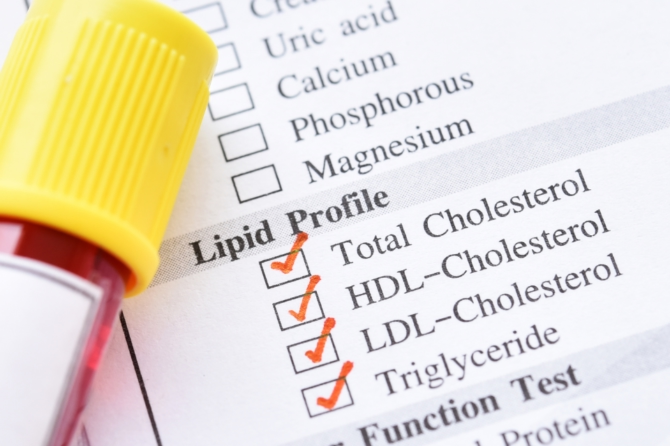
A cholesterol test, also called a lipid panel or lipid profile, measures several important numbers:
| Cholesterol measurement | Generally desirable/healthy range |
|---|---|
| Total cholesterol: A measurement that takes your cholesterol levels into account. | Less than 200 mg/dL |
| LDL (“bad” cholesterol): High levels can contribute to plaque buildup in the arteries. | Less than 100 mg/dL is generally considered optimal |
| HDL (“good” cholesterol): HDL helps carry cholesterol back to the liver for removal. | 60 mg/dL or higher is considered protective; below 40 mg/dL in men or 50 mg/dL in women is considered low |
| Triglycerides | Less than 150 mg/dL |
Your numbers are only one part of your overall cardiovascular risk. Your healthcare provider will consider factors such as your age, family history, blood pressure, smoking status, diabetes and other health conditions when determining what cholesterol levels are appropriate for you.
Tips for Managing Your Cholesterol
The good news is that there are steps you can take to help manage your cholesterol and protect your heart.
- Choose heart-healthy foods.
Limit foods high in saturated fat, such as fatty meats, full-fat dairy products and foods made with tropical oils. Choose more fruits and vegetables, whole grains, beans, lean proteins, seafood, nuts and foods containing unsaturated fats. Foods naturally high in fiber, including oatmeal and beans, can also help manage LDL cholesterol. - Stay physically active.
Regular physical activity is an important part of cardiovascular health and can help support healthy cholesterol levels and a healthy weight. - Maintain a healthy weight.
Being overweight or having obesity can contribute to higher LDL cholesterol and triglycerides. Even small, sustainable changes in eating and activity habits can support better heart health. - Don’t smoke.
Smoking damages blood vessels and can lower HDL cholesterol. If you smoke, talk with your healthcare provider about resources to help you quit. - Know your numbers.
Because high cholesterol usually doesn’t cause symptoms, testing is the best way to know where you stand. Ask your provider how often you should have your cholesterol checked and what your individual goals should be. - Take medications as prescribed.
For some people, lifestyle changes alone aren’t enough to bring cholesterol to a healthy level. Your provider may recommend medication based on your cholesterol levels and overall risk for heart disease or stroke. If medication is prescribed, take it as directed and talk with your provider before making changes.
Make Cholesterol Part of Your Routine
Managing cholesterol isn’t about achieving a perfect number overnight. It’s about understanding your risk, knowing your numbers and making healthy choices consistently. Since cholesterol levels and cardiovascular risk can change over time, regular conversations with your health care provider can help you stay on track.
This National Cholesterol Education Month, take a moment to ask yourself, “Do I know my cholesterol numbers?” If you don’t, talk with your provider about getting a cholesterol test and learning what your numbers mean for your health.