
Your liver may not be something you think about very often, but it’s working for you around the clock. It helps process nutrients, remove harmful substances from your blood, support digestion and perform hundreds of other important jobs. October is Liver Cancer Awareness Month, so let’s talk a little more about this hardworking organ – and what you can do to protect it.
What is liver cancer?
Liver cancer happens when abnormal cells begin to grow uncontrollably in the liver. The most common type of liver cancer in adults is called hepatocellular carcinoma (HCC).
One of the challenges with liver cancer is that it may not cause noticeable symptoms in its early stages. When symptoms do appear, they may include:
- Unexplained weight loss or loss of appetite
- Feeling full after eating only a small amount
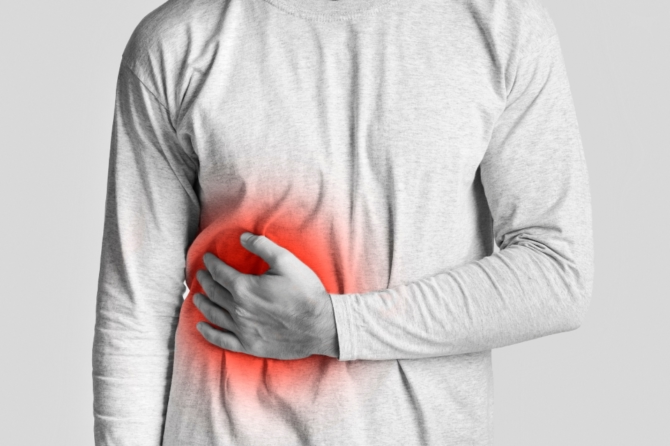
- Pain or discomfort in the upper right side of your abdomen
- Nausea or vomiting
- Feeling unusually tired or weak
- Swelling in your abdomen
- Yellowing of your skin or the whites of your eyes, called jaundice
- Dark urine or pale stools
Having one of these symptoms doesn’t necessarily mean you have liver cancer. Many other health conditions can cause similar symptoms. But if something is new, doesn’t go away or just doesn’t feel right, it’s a good idea to talk with your healthcare provider.
Who is at risk?
Anyone can develop liver cancer, but some people have a higher risk than others. Cirrhosis, which is long-term scarring of the liver, is one of the biggest risk factors.
Other factors that can increase your risk include chronic hepatitis B or hepatitis C, heavy alcohol use, tobacco use and certain inherited liver conditions. Fat buildup in the liver can also lead to inflammation and liver damage over time, particularly when associated with conditions such as obesity and type 2 diabetes.
Having a risk factor doesn’t mean you’ll develop liver cancer. It does mean it’s worth talking with your healthcare provider about your liver health and whether you need additional monitoring.
Give your liver a little love
The good news is that there are things you can do to help keep your liver healthy. Maintaining a healthy weight, staying active, limiting alcohol and avoiding tobacco are all great places to start.
You can also protect yourself from viral hepatitis. A vaccine is available to prevent hepatitis B, and hepatitis C can now be treated and cured in most people. If you have hepatitis, cirrhosis, fatty liver disease or another ongoing liver condition, regular checkups are especially important.
Do you need liver cancer screening?
Liver cancer screening isn’t recommended for everyone. But if you’re at higher risk, such as having cirrhosis or certain cases of chronic hepatitis B, your provider may recommend regular testing to look for signs of cancer before symptoms appear.
Not sure about your risk? Start the conversation at your next appointment. Your provider can help you understand your personal risk factors, determine whether you need testing or monitoring and talk with you about ways to keep your liver healthy.
This Liver Cancer Awareness Month, give some thought to an organ that usually doesn’t ask for much attention. Taking care of your liver today can be an important part of protecting your health for years to come.
