
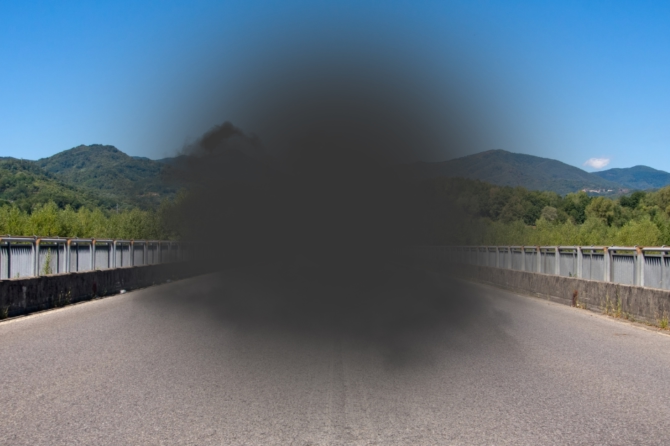
February is Age-Related Macular Degeneration (AMD) and Low Vision Awareness Month, a time to learn about one of the leading causes of vision loss in adults over 50 – and what you can do to protect your sight.
What Is AMD?
Age-related macular degeneration is an eye condition that affects the macula, the small but vital part of the retina responsible for sharp, central vision. This is the vision you use to read, drive, recognize faces, and see fine details.
AMD does not cause complete blindness, but it can make everyday activities more difficult by blurring or distorting central vision.
There are two main types:
- Dry AMD – The most common form. Vision loss usually happens gradually as the macula thins over time.
- Wet AMD – Less common but more serious. It occurs when abnormal blood vessels grow under the retina and leak fluid or blood, which can cause rapid vision changes.
Common Symptoms
AMD often develops slowly and painlessly. Early stages may have no noticeable symptoms. As it progresses, people may notice:
- Blurry or fuzzy central vision
- Straight lines appearing wavy or distorted
- Difficulty recognizing faces
- Needing brighter light for reading
- A dark, empty, or blurry spot in the center of vision
If you notice sudden changes in your vision, contact an eye care provider right away. Early treatment, especially for wet AMD, can help preserve vision.
Who Is at Risk?
While aging is the biggest risk factor, other factors can increase your chances of developing AMD:
- Being over age 50
- Family history of AMD
- Smoking
- High blood pressure or heart disease
- Obesity
- Long-term sun exposure without eye protection
Steps You Can Take to Protect Your Vision
Even though AMD can’t always be prevented, healthy habits can help reduce your risk or slow progression:
- Get regular comprehensive eye exams – Eye exams can detect AMD before you notice symptoms.
- Don’t smoke – Smoking significantly increases AMD risk.
- Eat a vision-friendly diet – Leafy greens (like spinach and kale), fish rich in omega-3s, and colorful fruits and vegetables support eye health.
- Manage chronic conditions – Keep blood pressure and cholesterol under control.
- Wear sunglasses – UV protection may help protect your eyes from sun damage.
Living with Low Vision
Low vision means vision loss that cannot be fully corrected with glasses, contacts, medication, or surgery. If AMD progresses, vision rehabilitation services and tools can help people maintain independence. These may include:
- Magnifiers and special reading devices
- Brighter lighting at home
- Large-print materials and digital accessibility tools
- Training to use remaining vision more effectively
We’re Here to Help
At WhidbeyHealth Eye Care & Surgery, our team provides comprehensive eye exams, advanced imaging, and treatment options for AMD and other retinal conditions. We also work with patients experiencing low vision to connect them with supportive resources and tools that make daily life easier.
If it’s been more than a year since your last eye exam, or if you’re noticing changes in your vision, this month is the perfect time to schedule a visit. Protecting your sight starts with early detection and expert care.