
April in Washington brings longer daylight, blooming landscapes, and more opportunities to enjoy the outdoors. From the Puget Sound to the Cascades, our region’s climate and environment also come with some specific seasonal health considerations. Here’s what to watch for this month:
- Tree Pollen Peaks in Western Washington
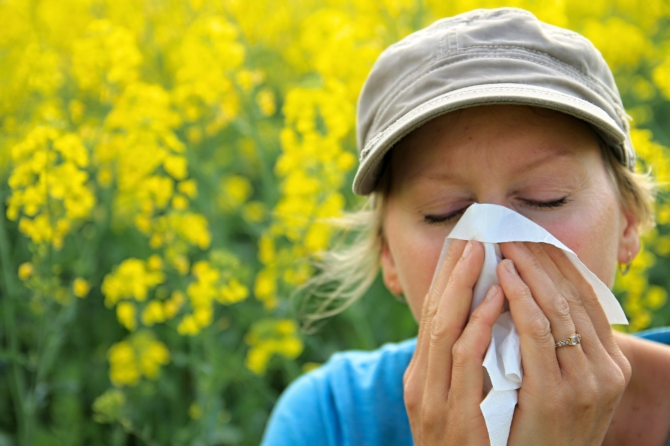
April is one of the highest pollen months in Washington, especially for alder, birch, and cedar trees. Even on cloudy or drizzly days, pollen counts can remain high. Common symptoms include sneezing, congestion, and itchy eyes. Helpful tips:
- Check local pollen forecasts before heading outside
- Keep car and home windows closed during peak pollen times
- Use HEPA filters if possible
- Mold Allergies from Damp Conditions
With frequent spring rain, mold spores thrive in both indoor and outdoor environments. This can trigger allergy or asthma symptoms, especially in coastal areas. To reduce exposure:
- Use dehumidifiers in damp areas like basements
- Clean visible mold promptly
- Ensure good ventilation in kitchens and bathrooms
- Asthma Triggers from Changing Weather
Washington’s fluctuating spring temperatures – sun one day, rain the next – can aggravate asthma. Pollen, mold, and even cold morning air can contribute to flare-ups. Make sure to:
- Carry your rescue inhaler at all times
- Review your asthma action plan
- Monitor symptoms during outdoor activities
- Increased Outdoor Activity = Injury Risk
As trails, parks, and waterways reopen, more people head out for hiking, biking, and yard work. Wet and muddy conditions can increase the risk of slips and falls. Stay safe by:
- Wearing appropriate footwear with good traction
- Starting slowly if you’re returning to activity after winter
- Staying aware of trail conditions
- Spring Gardening Hazards
April is a popular time for planting, but gardening can come with risks such as back strain, repetitive motion injuries, and exposure to soil-borne bacteria. Tips for safer gardening:
- Stretch before and after working
- Wear gloves when handling soil
- Lift with your legs, not your back
- Mental Health & Seasonal Transition
While spring can improve mood for many, the transition from darker winter months can still leave some people feeling fatigued or off-balance. In Washington, where winters are long and gray, it may take time to adjust. Support your well-being by:
- Spending time outdoors when possible
- Maintaining regular sleep schedules
- Reaching out for support if needed
- Sun Protection, Even on Cloudy Days
Washington’s overcast skies can be misleading – UV rays still penetrate clouds. As outdoor time increases, so does your exposure. Remember to:
- Wear sunscreen (SPF 30+) daily
- Use sunglasses to protect your eyes
- Stay hydrated, even in cooler weather
Spring in Washington is beautiful, but it’s important to stay mindful of seasonal health risks. A few simple precautions can help you enjoy everything April has to offer – from blooming cherry blossoms to scenic hikes – while staying safe and healthy.
