
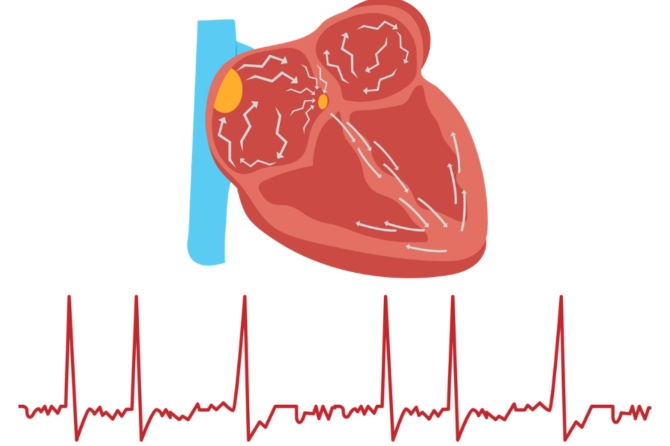
Atrial fibrillation, often called AFib, is a common type of irregular heart rhythm, or arrhythmia. It occurs when the heart’s upper chambers (the atria) beat irregularly and often much faster than normal. Instead of beating in a steady rhythm, the heart may quiver or beat unpredictably.
AFib can happen occasionally or may be ongoing. Some people have noticeable symptoms, while others have no symptoms at all and only discover they have AFib during a routine exam or heart test.
What Are the Symptoms of AFib?
Symptoms can vary from person to person. Common signs include:
- A fast, irregular or pounding heartbeat
- Heart palpitations or a feeling that your heart is fluttering or racing
- Shortness of breath
- Fatigue or weakness
- Dizziness or lightheadedness
- Chest discomfort or pain
- Reduced ability to exercise
- Feeling faint or confused
Some people may have AFib without experiencing any symptoms. This is one reason regular health checkups are important, particularly for people who have risk factors for heart problems.
Why Does AFib Matter?
AFib can increase the risk of blood clots and stroke. When the heart beats irregularly, blood can collect in the atria and potentially form a clot. If a clot travels to the brain, it can cause a stroke.
The good news is that AFib can often be managed with medications, lifestyle changes and other treatments. Your healthcare provider can determine your risk of stroke and recommend the appropriate treatment.
When Should You Seek Help?
If you experience a new or persistent irregular heartbeat, shortness of breath, dizziness or unusual fatigue, contact your healthcare provider for an evaluation.
Call 911 immediately if you have chest pain or pressure, severe difficulty breathing, fainting, or signs of a stroke such as sudden weakness or numbness, trouble speaking, confusion, or sudden changes in vision.
If you have been diagnosed with AFib, working with your healthcare team to manage the condition can help protect your heart and reduce your risk of complications.
WhidbeyHealth Cardiac Care
275 SE Cabot Dr B101, Oak Harbor
(360) 246-4752

Terrence Wong, MD, FACS