
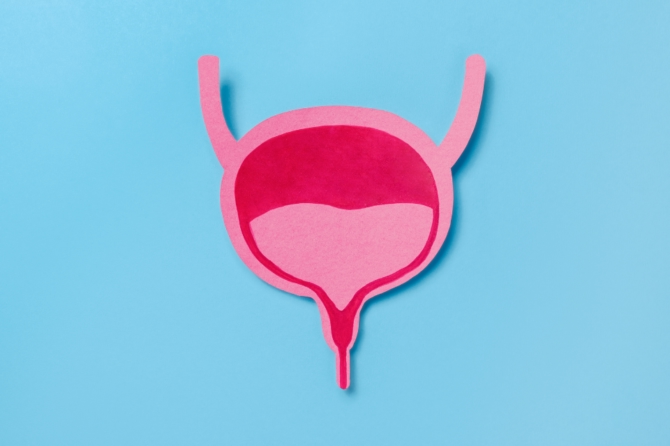
Let’s face it. Bladder health isn’t exactly a popular conversation topic. Most of us don’t give our bladders much thought until something isn’t working quite right. Whether it’s making too many trips to the bathroom, dealing with unexpected leaks, or experiencing discomfort, bladder problems can be frustrating, embarrassing, and disruptive to everyday life.
November is National Bladder Health Month, a great opportunity to bring these often-overlooked issues into the conversation. The good news? Many bladder conditions are treatable, and getting help may be easier than you think.
Understanding Your Bladder
Your bladder is a hollow, muscular organ that stores urine until you’re ready to empty it. As we age, changes in bladder function are common. But that doesn’t mean frequent bathroom trips, urinary leakage, or discomfort are things you simply have to accept.
Bladder problems affect both men and women of all ages, and many can be successfully managed with lifestyle changes, medications, or other treatments.
Common Bladder Problems
Some of the most common bladder conditions include:
- Urinary incontinence: The involuntary leakage of urine, which may happen when coughing, laughing, sneezing, exercising, or experiencing a sudden urge to go.
- Overactive bladder: A condition that causes frequent, sudden urges to urinate, sometimes accompanied by leakage or waking up repeatedly during the night.
- Urinary tract infections (UTIs): Infections that can cause burning during urination, frequent urges to go, cloudy urine, or discomfort in the lower abdomen.
- Interstitial cystitis: Also known as bladder pain syndrome, this chronic condition can cause bladder pressure, pelvic pain, and frequent urination.
- Urinary retention: Difficulty emptying the bladder completely, which can lead to discomfort and other complications.
- Bladder cancer: A serious condition that may cause blood in the urine, changes in urination, or other symptoms that require medical evaluation.
While some bladder problems become more common with age, persistent symptoms should never be dismissed as just another part of getting older.
Simple Ways to Keep Your Bladder Healthy
A few everyday habits can go a long way toward supporting good bladder health.
Stay hydrated. Drinking enough water helps your urinary system function properly. Many adults benefit from approximately six to eight cups of fluid daily, although individual needs vary depending on health conditions and activity levels.
Watch your caffeine intake. Coffee, tea, soda, and other caffeinated beverages can irritate the bladder and increase the urge to urinate. If you’re experiencing symptoms, try cutting back to see whether it helps.
Don’t hold it too long. Regularly ignoring the urge to urinate can put unnecessary strain on your bladder. Give yourself enough time to empty your bladder completely.
Strengthen your pelvic floor. Pelvic floor exercises, often called Kegels, can help improve bladder control for some people. A healthcare provider can help determine whether these exercises are appropriate for you.
Maintain a healthy weight. Excess weight can put additional pressure on the bladder and contribute to urinary leakage.
Avoid smoking. Smoking is a major risk factor for bladder cancer. Quitting can improve your overall health while reducing your risk.
Pay attention to changes. If your bathroom habits suddenly change, or you’re experiencing pain, leakage, or difficulty urinating, don’t ignore it.
When Should You See a Healthcare Provider?
Occasional changes in bathroom habits aren’t always a cause for concern. However, certain symptoms deserve medical attention.
Talk with your healthcare provider if you experience:
- Frequent or urgent urination that interferes with daily activities
- Urinary leakage or difficulty controlling your bladder
- Pain or burning during urination
- Difficulty starting urination or emptying your bladder
- Frequent urinary tract infections
- Persistent pelvic or bladder discomfort
- Blood in your urine, even if it happens only once
Blood in the urine should always be evaluated promptly. If you’re unable to urinate, particularly with significant abdominal pain, seek immediate medical attention. Fever, chills, or back pain with urinary symptoms also require prompt evaluation.
And remember, there’s no reason to feel embarrassed. Healthcare professionals talk about these issues every day, and having an open conversation is the first step toward finding relief.
Specialized Urology Care, Right Here on Whidbey Island
If you’re experiencing bladder problems, you don’t have to travel far to get specialized care.
Led by Campbell Bryson, MD, FRCSC, WhidbeyHealth Urology Care provides comprehensive urologic services for adult men and women, offering diagnosis and treatment for conditions affecting the bladder, kidneys, urinary tract, and male reproductive system.
Dr. Bryson is a board-certified urologist who specializes in diagnosing and treating a wide range of urologic conditions, including:
- Urinary incontinence and bladder control problems
- Frequent urinary tract infections
- Blood in the urine
- Interstitial cystitis and bladder pain
- Kidney stones
- Enlarged prostate and other prostate conditions
- Bladder, kidney, and prostate cancers
- Male reproductive and sexual health concerns
WhidbeyHealth Urology Care offers minimally invasive treatment options and uses advanced medical technology to help patients find solutions that fit their individual needs.
Whether your symptoms are a minor inconvenience or significantly affecting your quality of life, the team works with you to understand what’s happening, explain your treatment options, and develop a care plan that helps you feel more comfortable and confident.
Take Control of Your Bladder Health
This National Bladder Health Month, don’t let embarrassment or uncertainty keep you from getting the care you need. Bladder problems are common, but suffering in silence doesn’t have to be. Many conditions can be improved or successfully managed, and addressing symptoms early can help prevent complications and improve your quality of life.
If you’ve been planning your day around bathroom breaks, avoiding activities because of leakage, or simply wondering whether your symptoms are normal, it’s time to start the conversation.
