
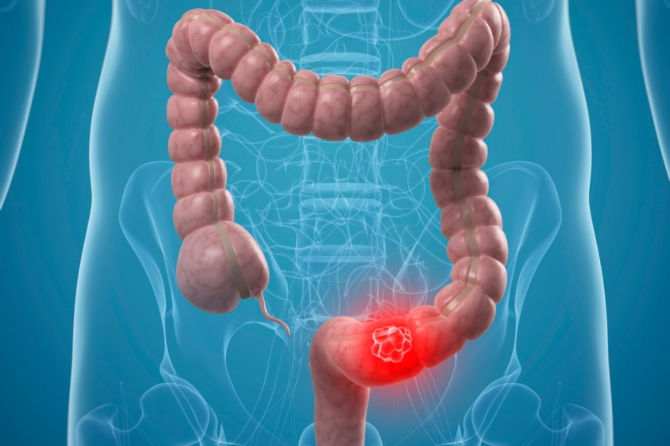
March is National Colorectal Cancer Awareness Month, dedicated to raising awareness about one of the most common and preventable forms of cancer. At WhidbeyHealth, we want our patients and community members to understand the importance of early detection, know the risk factors, and feel empowered to take proactive steps for their health.
Why Colorectal Cancer Awareness Matters
Colorectal cancer (cancer of the colon or rectum) is the second leading cause of cancer-related deaths in the United States among men and women combined. The good news? It is also one of the most preventable cancers – and when detected early, it is highly treatable.
Screening can actually prevent colorectal cancer by identifying and removing precancerous polyps before they turn into cancer. It can also detect cancer in its earliest stages, when treatment is most effective.
Who Should Be Screened?
The American Cancer Society recommends that adults at average risk begin regular screening at age 45 and continue through age 75. Screening recommendations may vary based on personal risk factors.
You may need to begin screening earlier or be screened more frequently if you:
- Have a family history of colorectal cancer or polyps
- Have a personal history of inflammatory bowel disease (Crohn’s disease or ulcerative colitis)
- Have a genetic syndrome such as Lynch syndrome or familial adenomatous polyposis (FAP)
- Have previously had polyps removed
If you are unsure about your risk, your primary care provider can help determine the right screening plan for you.
Screening Options
There are several effective screening options available. Your provider can help you choose the one that best fits your needs:
- Colonoscopy – typically every 10 years for average-risk individuals
- Stool-based tests – annually or every few years, depending on the test type
- Other imaging tests – depending on individual circumstances
Each method has benefits, and the most important step is choosing to get screened.
Symptoms to Watch For
In its early stages, colorectal cancer may not cause noticeable symptoms, which is why routine screening is so important. However, you should contact your provider if you experience:
- Persistent changes in bowel habits (diarrhea, constipation, or narrowing of the stool)
- Blood in or on your stool
- Ongoing abdominal discomfort (cramping, gas, or pain)
- Unexplained weight loss
- Weakness or fatigue
- A feeling that your bowel does not empty completely
These symptoms do not always mean cancer, but they should never be ignored.
When to Follow Up With a Doctor
You should schedule an appointment with your provider if:
- You are 45 or older and have not yet begun screening
- You are younger than 45 but have risk factors or a family history
- You experience any of the symptoms listed above
- You have completed a home stool test with abnormal results
- You simply want to discuss your risk and screening options
Early conversations lead to early detection – and early detection saves lives.
Taking the Next Step
National Colorectal Cancer Awareness Month is a reminder that prevention is powerful. A simple screening could make all the difference for you or someone you love.
