
• Understanding Alzheimer’s Disease

    Understanding Alzheimer’s Disease

    We all forget things from time to time. Maybe you’ve misplaced your keys, forgotten why you walked into a room, or struggled to remember someone’s name. Occasional forgetfulness is a normal part of life, especially as we get older. But when memory problems begin interfering with everyday activities, it may be a sign of something more serious.Read more


  • Let’s Talk Bladder Health

    Let’s Talk Bladder Health

    Let’s face it. Bladder health isn’t exactly a popular conversation topic. Most of us don’t give our bladders much thought until something isn’t working quite right. Whether it’s making too many trips to the bathroom, dealing with unexpected leaks, or experiencing discomfort, bladder problems can be frustrating, embarrassing, and disruptive to everyday life.Read more

  • Diabetes: Small Changes Can Make a Big Difference

    Diabetes: Small Changes Can Make a Big Difference

    Diabetes is one of the most common chronic health conditions in the United States, but the good news is that early detection, healthy habits, and proper medical care can make a big difference. Whether you’re living with diabetes, have been told you’re at risk, or simply want to make healthier choices, understanding this condition is an important step toward protecting your long-term health.Read more

  • There’s No Place Like Home: Celebrating National Care at Home Month

    There’s No Place Like Home: Celebrating National Care at Home Month

    For most of us, home is more than just a place to live. It’s where we feel comfortable, surrounded by familiar faces, favorite belongings, and the everyday routines that make life meaningful. And when we’re facing a serious illness or health challenges, being able to receive care in those familiar surroundings can make all the difference.Read more

  • Take Time for Your Breast Health

    Take Time for Your Breast Health

    October is Breast Cancer Awareness Month, so it’s the perfect time to check in on your breast health, learn about your personal risk and make sure you’re up to date on screening. Mammograms can find breast cancer before you notice a lump or other symptoms, when treatment may be more effective.Read more

  • Liver Cancer Awareness Month

    Liver Cancer Awareness Month

    Your liver may not be something you think about very often, but it’s working for you around the clock. October is Liver Cancer Awareness Month, so let’s talk a little more about this hardworking organ – and what you can do to protect it.Read more

  • Navigating Menopause with Confidence

    Navigating Menopause with Confidence

    Menopause is a natural part of life, but that doesn’t mean it always feels easy – or that you have to figure it out on your own. World Menopause Month is a time to talk more openly about the changes that can come with perimenopause and menopause, from hot flashes and sleepless nights to changes in mood, energy and overall well-being.Read more

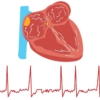
  • Don’t Ignore an Irregular Heartbeat

    Don’t Ignore an Irregular Heartbeat

    Atrial fibrillation, often called AFib, is a common type of irregular heart rhythm, or arrhythmia. It occurs when the heart’s upper chambers (the atria) beat irregularly and often much faster than normal. Instead of beating in a steady rhythm, the heart may quiver or beat unpredictably.Read more

  • Gynecologic Cancer: Know the Signs, Know Your Risk

    Gynecologic Cancer: Know the Signs, Know Your Risk

    Gynecologic cancers include cervical, ovarian, uterine, vaginal and vulvar cancers. Each type is different, with its own risk factors, symptoms and treatment options. The good news is that there are steps you can take to reduce your risk of some gynecologic cancers – and knowing what is normal for your body can help you recognize changes that deserve medical attention.Read more

  • Understanding Prostate Cancer and Your Risk

    Understanding Prostate Cancer and Your Risk

    Prostate cancer is often highly treatable, especially when it is found before it has spread. Understanding your risk and talking with your healthcare provider about screening can help you make informed decisions about your health.Read more